To Know a Plant, Be With It
There is a difference between knowing what a plant does and knowing a plant.
I can reflect on nettles minerals, or hawthorns affinity with the heart. That lemon balm has traditionally been used to soothe and settle. This knowledge matters, but it is not the whole of knowing.
Somewhere in our long movement away from the land, plants became things we mostly encounter after they have been gathered, dried, powdered, bottled and labelled. We know them by what they can do for us.
We have become very good at asking plants for things. Perhaps less good at knowing who we are asking.
To know a plant, sit with it. Not once, but continuously return. Witness it.
See what it looks like when it first pushes through the ground and when it has grown unruly. Notice where it chooses to live. What grows beside it. Whether it reaches towards the open sun or gathers in damp and shadow. Know its leaf before you know its label. Crush a little between your fingers and smell it. Watch what visits its flowers and see what remains when flowering is over.
Witness it seasonally, when it’s bare, when it’s bountiful.
This kind of knowing is slow. It resists the modern desire to turn everything immediately into information.
The old herbal traditions were born from this intimacy. Whatever else our ancestors knew or believed about plants, their knowledge emerged from living among them. Plants were encountered in hedgerows, fields, woods, gardens and kitchens before they were encountered as ingredients.
That relationship changes something.
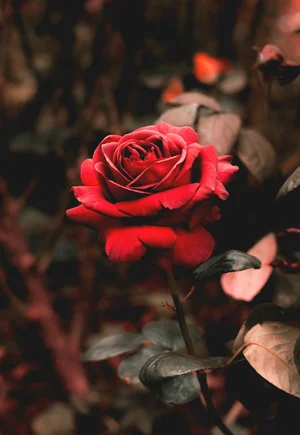
A rose is different when you have watched its first leaves unfurl, waited for the bud, buried your face in the flower and caught your skin on the thorn. Nettle is different when you have been stung by it. Elder is different when you know the particular smell of its blossom carried on warm air.
The plant ceases to be an abstract collection of therapeutic actions. It becomes itself.
This does not mean abandoning science for intuition, or imagining that sitting beside a poisonous plant will somehow reveal everything we need to know about using it safely. Books matter. Botany matters. Evidence matters. Dosage and safety matter. But relationship matters too.
One kind of knowledge need not diminish another. Perhaps the deeper practice is learning to hold both, the knowledge gathered through study and the knowledge gathered through attention, the measurable and the encountered.
Sustained attention changes the person doing the looking. We begin to notice more. We learn the landscape. We recognise what is flowering and what has gone to seed. We become familiar with the small patch of earth beneath our own feet.
And somewhere in that repeated returning, the division between the human world and the natural world becomes a little harder to maintain. We remember that we were never standing outside it.
Perhaps this is where herbal medicine begins. Before the tincture. Before the tea.
Before we ask what the plant can give us.
With the simple act of becoming acquainted.